




DIAVON sets new standards with the 6 Cs
Since the 1940s, the 4Cs of diamond quality, defined by GIA founder Robert M. Shipley, have been the standard for assessing the quality of a diamond. In light of changing awareness and climate change, DIAVON considers it its duty to define two additional quality standards for MANUFAKTURDIAMANTs.
Conflict-free and climate-neutral, these are a supplement to the existing 4Cs and are intended to convey the quality standards that the diamond is entitled to. In doing so, DIAVON is setting new standards with the 6Cs.
CUT
Quality of the angles, proportions, facets, and fine details.
COLOR
Determines the color of the diamond.
CLARITY
The purity of a diamond is determined by the visibility, number, and location of its internal and external characteristics.
Carat
Determines the weight of the diamond.
CONFLICT FREE
Reflects the sustainable social and environmental aspects within the value chain.
CLIMATE NEUTRAL
Degree of positive impact on the climate.
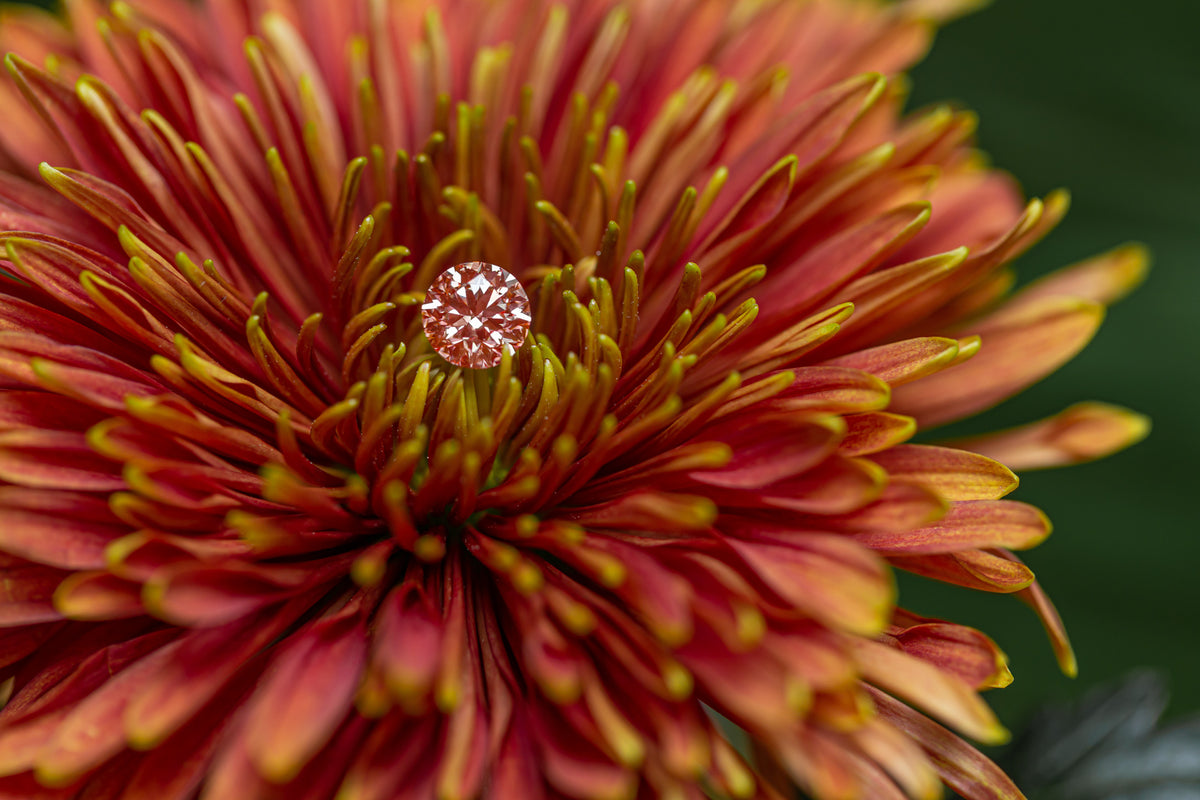
CUT
The "cut" is perhaps the most important aspect of quality, as it indicates how much light the diamond can reflect. The diamond cut includes, in particular, the quality of its angles, proportions, symmetrical facets, brilliance, fire, sparkle, and finishing details.
These factors ultimately make the diamond sparkle. The diamond cut is graded on a scale of "Ideal", "Excellent", "Very Good", "Good", "Fair", and "Poor". Depending on the shape of the diamond, the "Ideal" and "Excellent" grades indicate proportions and angles that ensure maximum brilliance and sparkle.
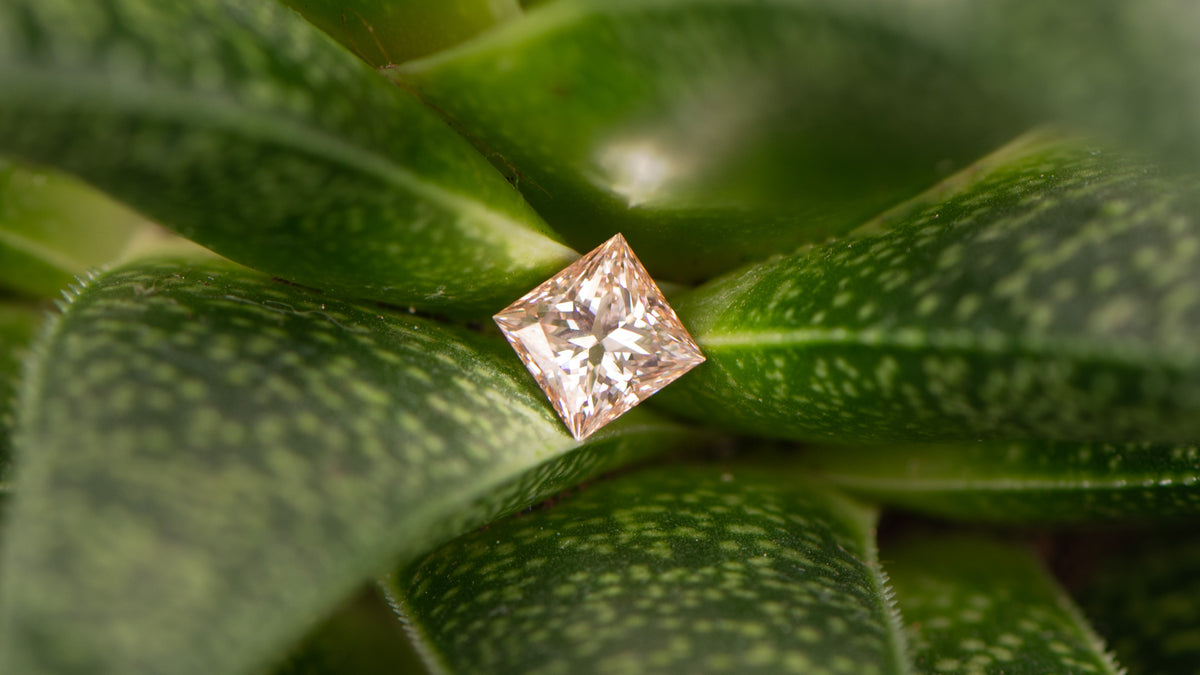
COLOR
The color of a diamond is graded based on how white or colorless it is. The GIA grades diamonds from D to Z, with D being the most colorless and Z showing a distinct brown or yellow tint. However, it should be noted that the color can vary from diamond to diamond depending on the cut, carat weight, and shape of the diamond.
Note: Fancy Colors are not classified according to the D to Z color grading. They have their own color designations, such as Fancy Intense or Vivid. These indicate the color intensity of the colored stone.
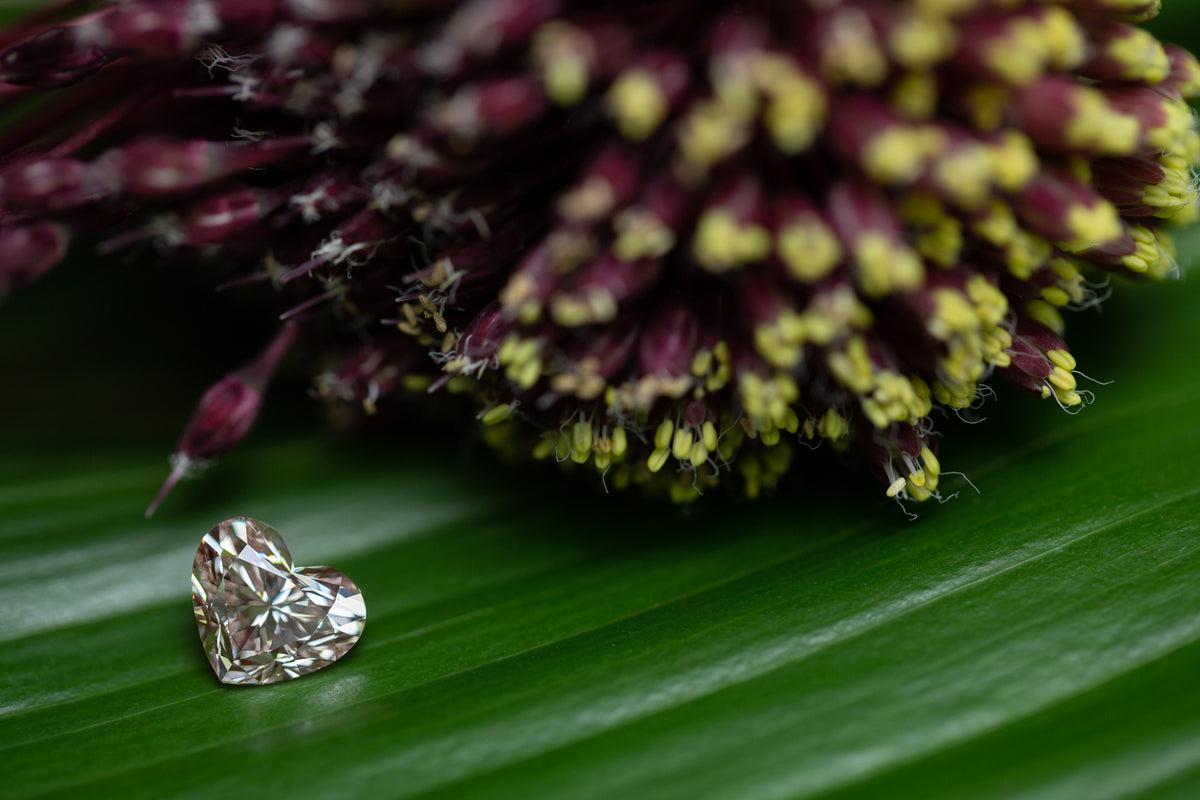
CLARITY
A diamond's clarity rating assesses how free a diamond is from inclusions and imperfections.
Note: Some inclusions—tiny crystals and other features—have no effect on a diamond's clarity or value. Therefore, diamonds with a low clarity rating are sometimes still "eye-clean". Other inclusions, however, can affect not only a diamond's beauty but also its structural properties.
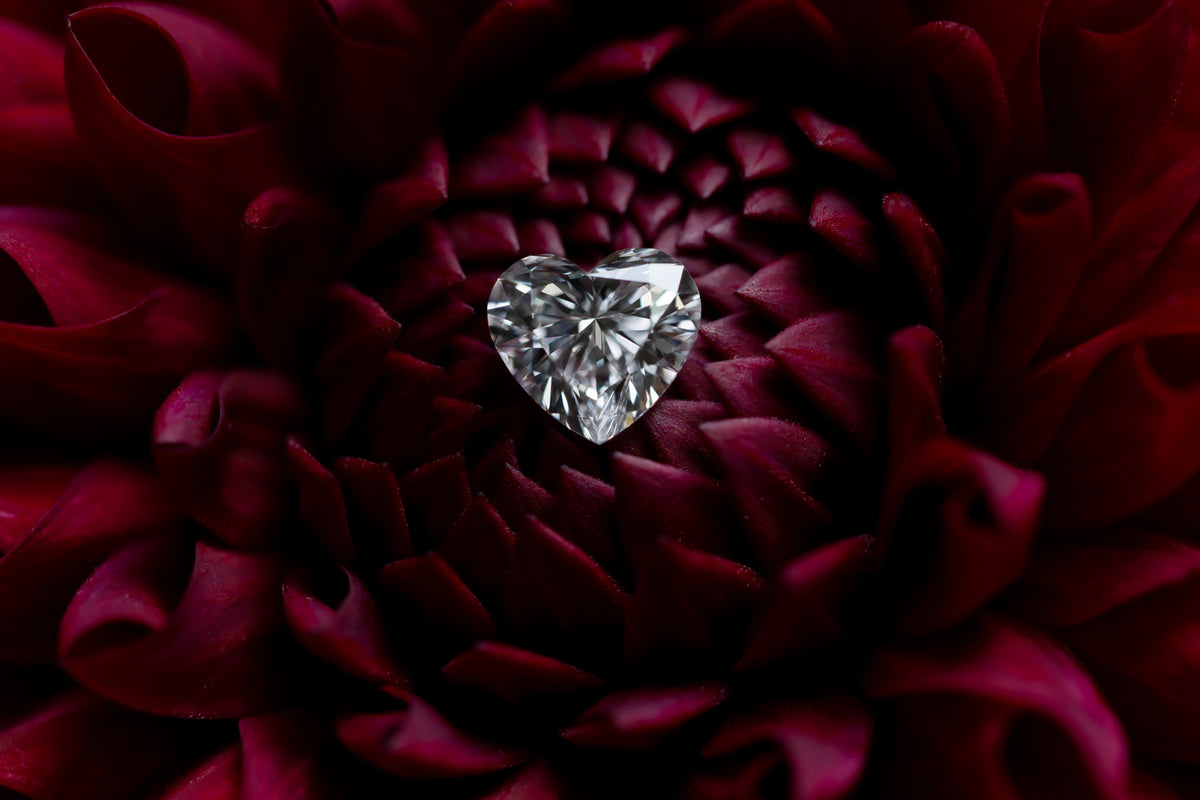
CARAT
The term "carat" refers not to the size of the diamond, but to its weight. A 1-carat diamond weighs 200 milligrams or 0.2 grams.
Therefore, two 1-carat diamonds can differ greatly in size depending on their shape and cut.
 This image was created or edited using artificial intelligence.
CONFLICT FREE
A conflict-free diamond encompasses all sustainable social and environmental aspects within the value chain. The standard excludes inhumane working conditions, child labor, the financing of civil wars, and environmentally harmful practices such as mining or the use of coal power. Furthermore, diamonds under this standard are not enhanced through radioactivity.

CLIMATE NEUTRAL
Climate neutrality ensures that the climate is not negatively affected by the manufacturing process and all business activities. This standard indicates the extent to which the diamond has a negative or positive impact on the climate, on a scale of − to +++.